CAREERS |
WE’RE HIRING A LEAD AUTOMOTIVE TECHNICIAN. INTERESTED?
CAREERS |
WE’RE HIRING A LEAD AUTOMOTIVE TECHNICIAN. INTERESTED?
Most brake replacements start with a squealing sound that drivers ignore for weeks, turning a straightforward repair into something far more expensive. When brake pads wear through to the metal backing, they damage rotors and calipers that would have been fine if addressed earlier. Kanuga Tire & Auto helps Hendersonville families understand exactly when brake service becomes necessary and how to avoid costly mistakes.
Your brakes face unique challenges in Henderson County, from steep mountain grades to stop-and-go traffic that accelerates wear. This guide covers the warning signs that demand immediate attention, when to replace pads and rotors, what wears brakes faster on local roads, and maintenance tips that extend component life. You’ll know exactly what to expect when brake replacement becomes necessary for your vehicle.
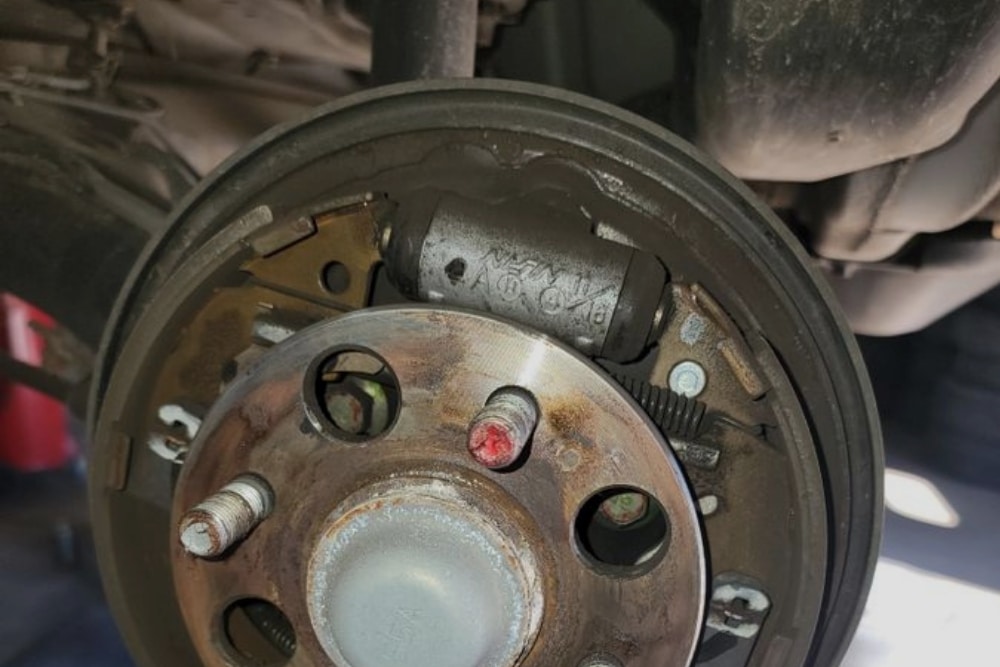
Your vehicle communicates brake problems through distinct warning signs. Learning to recognize these signals helps you address issues promptly before minor wear becomes a safety hazard.
Most brake pads include small metal tabs called wear indicators that create a high-pitched squeal when pads reach minimum thickness. This built-in warning system tells you it’s time for inspection and likely replacement.
If you hear metal grinding against metal when braking, your pads have likely worn completely through, and the backing plates are now damaging your rotors. This situation requires immediate attention to prevent further component damage.
Rotors can warp from excessive heat or uneven wear. When rotors aren’t perfectly flat, they create an uneven braking surface that causes pulsation you can feel through the pedal.
Your brake pedal should feel firm and responsive. If it sinks toward the floor or feels mushy, your hydraulic system may have leaks or need bleeding to remove air bubbles.
Your vehicle should stop in a straight line without pulling left or right. If you’re fighting the steering wheel during braking, one side of your brake system isn’t working properly.
Understanding what accelerates brake wear helps you protect your investment and plan for maintenance.
Driving Habits That Kill Brakes:
Terrain and Environment:
In Henderson County, the combination of mountain terrain and varied elevation changes means brake systems often face more demanding conditions than flat highway driving. If you regularly navigate hilly roads around Hendersonville, Flat Rock, or Valley Hill, expect faster brake wear than the national average.
Here’s what most shops won’t tell you upfront: brake replacement costs escalate quickly when you wait too long.
When you address squealing, grinding, or vibration promptly, brake service involves replacing pads and rotors before heat damage spreads to other components. While not cheap, this is straightforward preventative maintenance that keeps your vehicle safe.
If you ignore warning signs and continue driving, metal-on-metal contact generates extreme heat that can seize calipers, damage brake hardware, warp rotors beyond recovery, and even affect brake fluid. What should have been a standard brake replacement now involves multiple additional components, specialized parts, and significantly more labor hours.
The lesson? Address brake issues when warning signs first appear. Our complimentary comprehensive digital vehicle health report catches brake wear early, giving you the opportunity to address issues before they become expensive multi-component repairs.
In most brake jobs today, yes, pads and rotors are replaced together. Here’s why that’s become the standard approach and when it makes sense for your vehicle.
Modern brake service has evolved from the days when rotors were routinely resurfaced. Today’s rotors are engineered thinner and lighter for fuel efficiency, and new brake pads achieve their best performance and longest lifespan when paired with new rotors. When you factor in labor costs and warranty considerations, replacing both components together has become the recommended practice.
Your rotors need replacement when they’re:
Installing new pads on worn or damaged rotors reduces braking effectiveness and shortens pad life. While replacing both components increases upfront cost, it ensures reliable performance, prevents premature failure, and gives you the peace of mind your family deserves on Henderson County’s mountain roads.
Living near the Blue Ridge Mountains creates unique brake challenges worth understanding. Extended downhill grades generate tremendous heat in your brake system, heat that can warp rotors, boil brake fluid, and accelerate pad wear dramatically.
Smart mountain driving techniques:
Your brake fluid plays a critical role in mountain performance. Fluid absorbs moisture over time, which lowers its boiling point. When brake fluid boils from excessive heat, it creates vapor pockets that make your pedal feel spongy and reduce braking power. Flushing brake fluid every two to three years maintains consistent performance, especially for drivers who regularly navigate steep terrain.
At Kanuga Tire & Auto, every vehicle receives a complimentary comprehensive digital health report that includes thorough brake inspection. We measure pad thickness, check rotor condition, inspect brake lines for leaks, and test fluid quality.
What makes our brake service different:
We serve families throughout Henderson County, including Hendersonville, Flat Rock, East Flat Rock, Valley Hill, and Laurel Park. Our customers are proactive parents who value safety and reliability for their family fleet, especially those with teenagers beginning to drive.
Ready to have your brakes inspected? Visit us at 432 Kanuga Road, Hendersonville, NC 28739, or call (828) 697-2860 to schedule your complimentary brake inspection.
While brake pads eventually need replacement, smart habits extend their lifespan significantly.
Driving techniques that save your brakes:
Maintenance habits that protect brake components:
Brake pads typically last between 30,000 and 70,000 miles in North Carolina, though mountain driving and frequent elevation changes can accelerate wear. Your driving habits, vehicle type, and terrain significantly impact brake longevity, making regular inspections the best way to monitor condition.
The earliest sign of brake wear is usually a high-pitched squealing noise caused by wear indicators built into brake pads. Other warning signs include grinding sounds, vibration in the pedal or steering wheel, soft or spongy pedal feel, or your vehicle pulling to one side when braking.
In most modern brake jobs, pads and rotors are replaced together for optimal performance and safety. Today’s thinner rotors and new pad materials work best as a matched set. While rotors showing damage like deep grooves, warping, or thickness below specifications definitely require replacement, replacing both components together has become standard practice in professional brake service.
Brakes often squeak in winter due to moisture, cold temperatures causing brake pad materials to harden temporarily, or surface rust on rotors from overnight condensation. Light squeaking that disappears after a few stops is usually normal, but persistent squealing indicates worn pads needing replacement.
Brake replacement costs vary based on whether you need just pads or pads and rotors, your vehicle make and model, and the quality of parts used. Front brakes typically wear faster than rear brakes, and prices differ between standard vehicles and trucks or performance cars with larger brake systems. Call us at (828) 697-2860 for an accurate quote based on your specific vehicle.
Your brakes are too important to ignore or delay. When warning signs appear, whether squealing sounds, grinding noises, vibration, or changes in pedal feel, schedule an inspection with professionals who prioritize your safety and your budget.
Visit Kanuga Tire & Auto at 432 Kanuga Road, Hendersonville, NC 28739, or call (828) 697-2860 to schedule your complimentary brake inspection. We serve families throughout Henderson County with honest assessments, quality workmanship, and transparent communication.
Convenient amenities include after-hours drop-off and pick-up, a comfortable waiting area with refreshments, and financing options through Synchrony. Don’t wait for minor issues to become major problems.